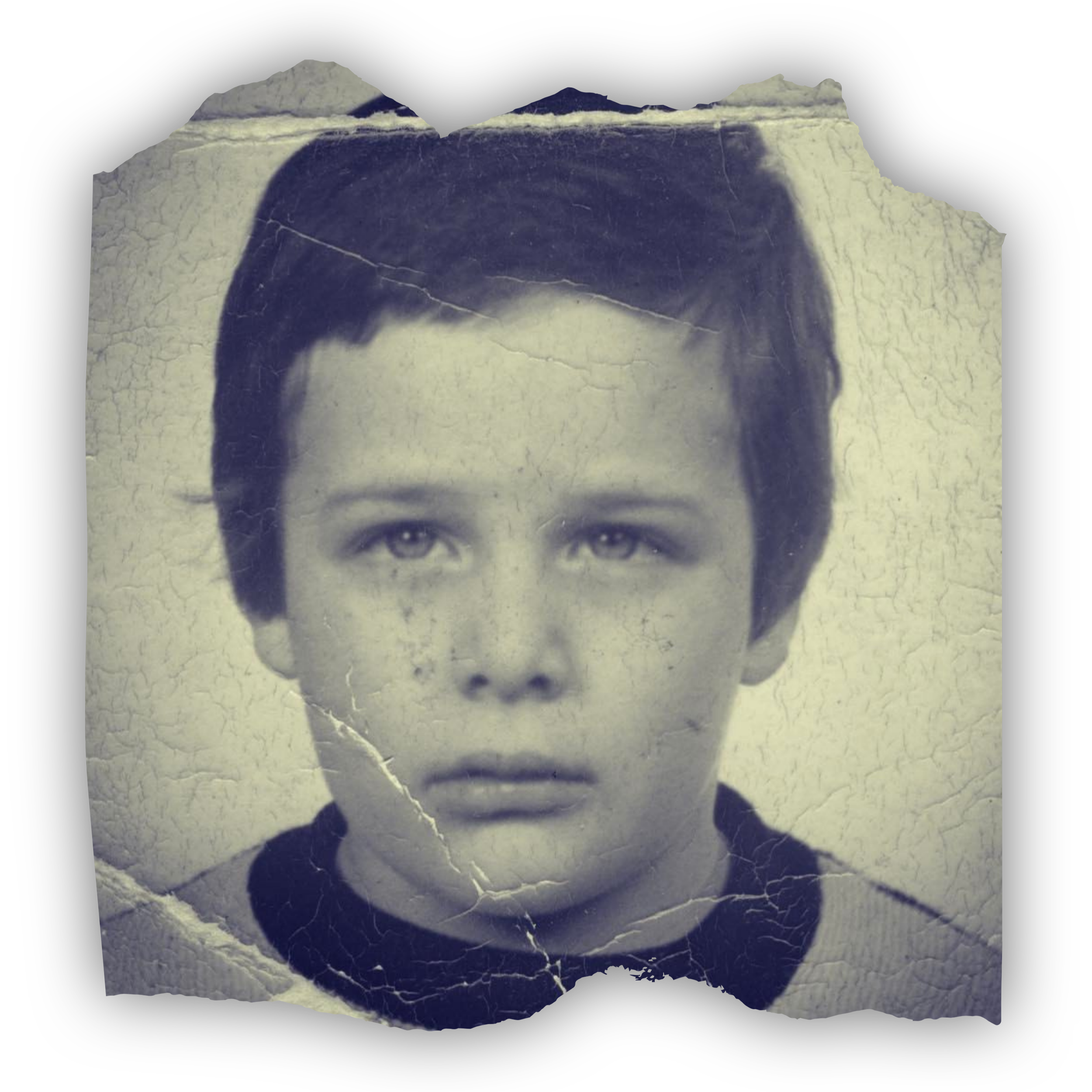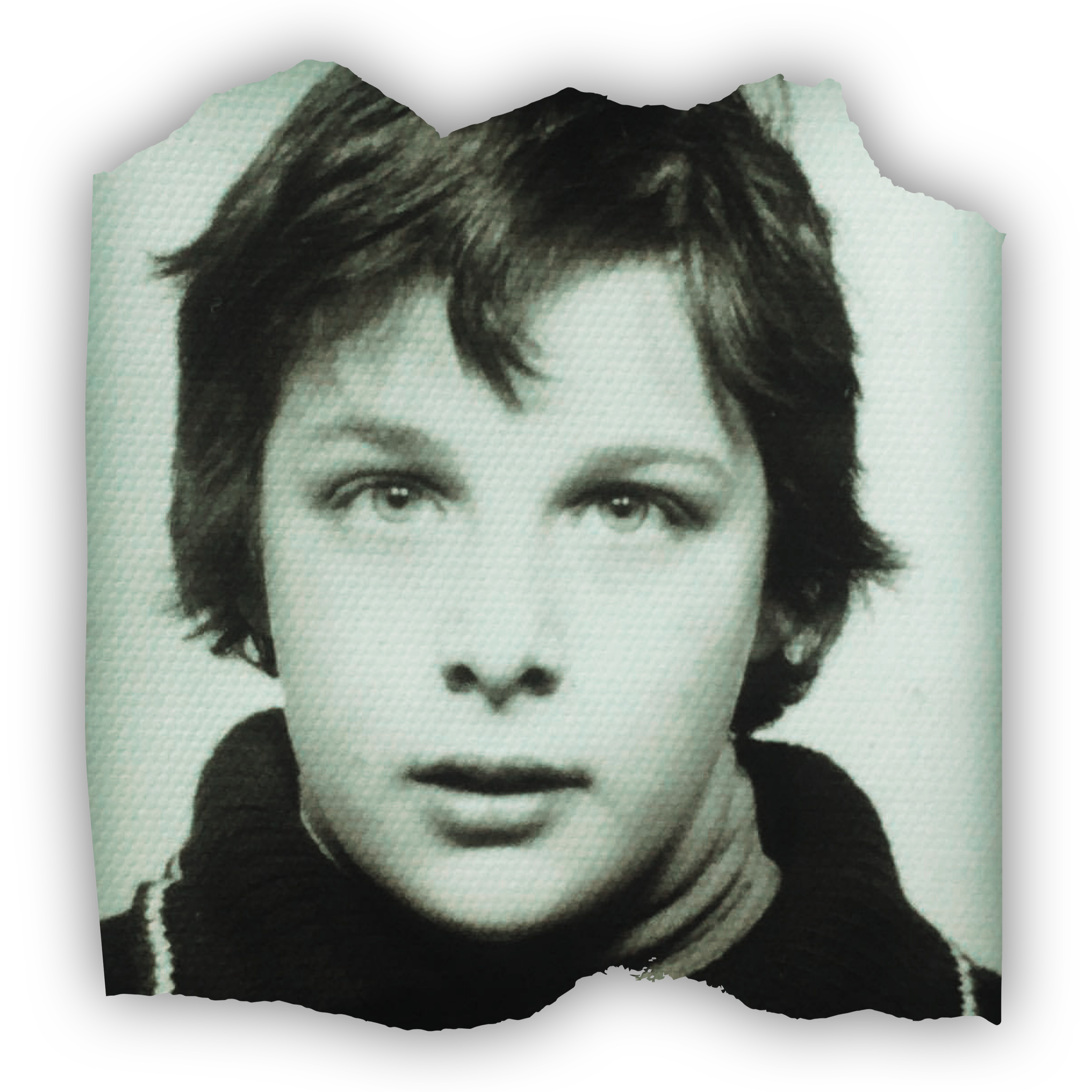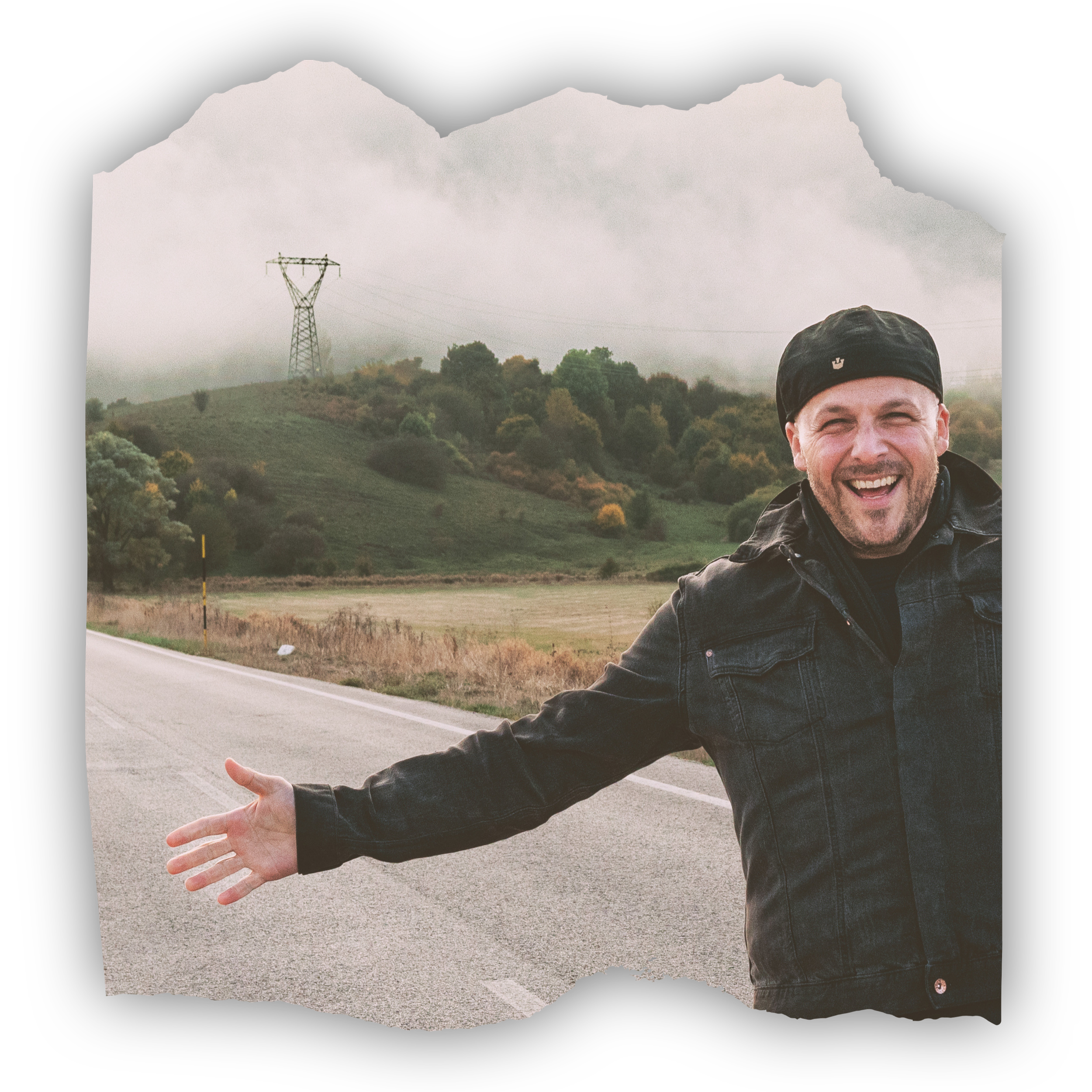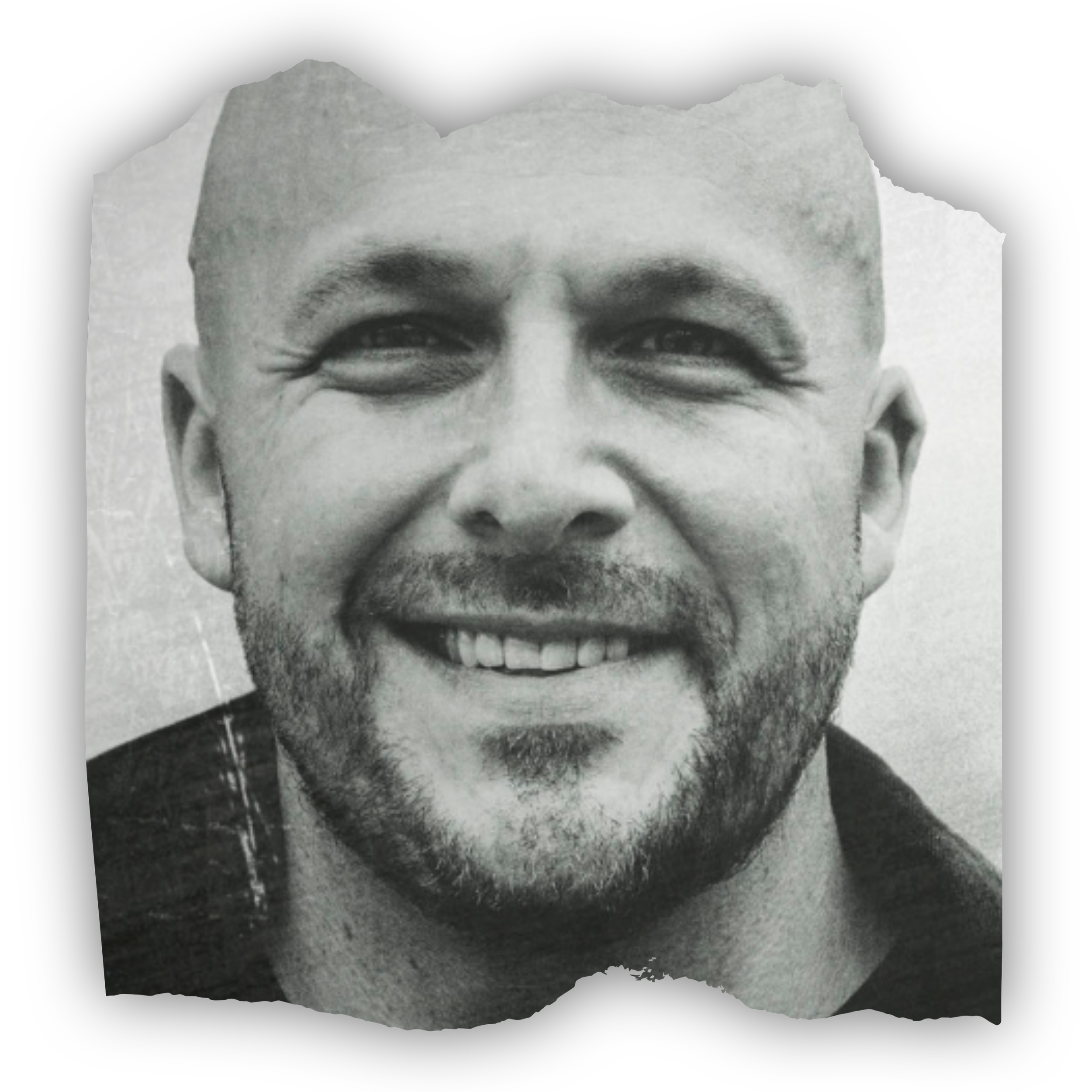
I came into the world in the early 1970s, in Medford, Massachusetts, a small city just north of Boston. But Abruzzo claimed me early — I was only three months old the first time I set foot there, and I kept returning almost every summer of my childhood, long before I understood why it mattered. Both sides of my family run straight into that soil: my mother's people from Lettopalena, in the province of Chieti; my father's from Prezza, in the province of L'Aquila.
Then, in 1979, Abruzzo stopped being a place I visited and became the place I belonged to. My mother, my brother, and I went that summer as we always did. I came home to start school; my father left for work in Venezuela. And then my mother did something braver than any of us understood at the time — within weeks, she turned around and took us back, choosing to build a new life for us in Sulmona instead of waiting for one to resume in America. We moved in with my nonno Arduino and my nonna Marianicola, and I began second grade a stranger in my own bloodline — the American kid, an object of fascination to a room full of children who wanted to know everything about me all at once. I remember crying that morning, overwhelmed, wanting only my mother. By the end of the day, I had a whole new identity: my classmates had even chosen my soccer team for me, no vote required. I've been a Juventus fan ever since.
We stayed with my grandparents until the following summer, then moved into our own apartment nearby. My father found his way back to us in the summer of 1981. And Abruzzo held all of us until September of 1984, when we finally returned to Boston — five years that, even weighed against the joy of later becoming a father myself, to my children Antonio and Sofia, remain the most vivid and textured of my life.
Those years handed me something I wouldn't understand the value of until decades later: direct, unfiltered contact with an old-world Abruzzo that was already dissolving even as I lived inside it. My grandparents gave me their dialect, their particular way of saying things, their memory of a war they had actually survived. I chased a soccer ball through empty lots after homework, goalposts made of stones and school bags. I watched Italy lift the World Cup from the street outside our house near the church of Il Crocifisso, while a Fiat 500 tore past with a flag streaming from its moon roof and two grown men howling with joy. I rode along on my nonno's unhurried drives into the mountains, chasing down provolone and ricotta from farms where the cheese still hung from the rafters. I ate pasta my nonna had wrapped warm in a knotted cloth, at picnics where my nonno built the fire himself, stone by stone, and cooled his own wine in a running mountain stream.
And again and again, we returned to old Lettopalena — the village German forces erased in 1943 — where, in those years, you could still trace the outlines of houses in the foundation stones before the wild growth swallowed them whole. My grandfather would point to a patch of ground and tell me: there. That's where our house stood. I heard the story as a child hears any story — as something that happened, not something that hurt. Only now, as an adult, do I understand what it must have cost him to keep walking back into that ground, again and again, and why he and my grandmother always preferred the vecchio paese, the old town, to the one that had been rebuilt beside it.
What stays with me most, though, is a silence. For everything my family endured in that war — the loss, the occupation, the hunger — I never once heard a word of bitterness spoken about the Germans. What I heard instead, what I watched with my own eyes, was generosity. My nonna would stand at her gate near the old military barracks and press bread, salami, water, wine into the hands of soldiers marching past — because she remembered, with total clarity, what it felt like to have nothing.
Abruzzo Unscripted grew out of my refusal to let any of this simply fade — and out of a hunger to go further than memory alone can reach, into the archives that hold what my grandparents lived through but didn't always say aloud. It's built from research as much as recollection: sourced where it can be, honest about what still isn't known, unwilling to smooth over the difficult parts for the sake of a prettier story. I had the rare fortune, as a child, to stand in Lettopalena and in Prezza beside people who had been born in the 1800s — living threads back to a century most of us only read about. I don't take that lightly. This project is how I try to keep that thread from breaking.